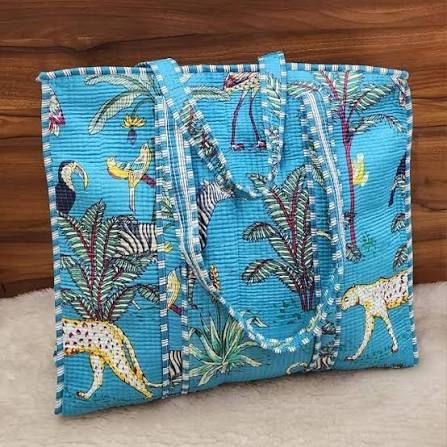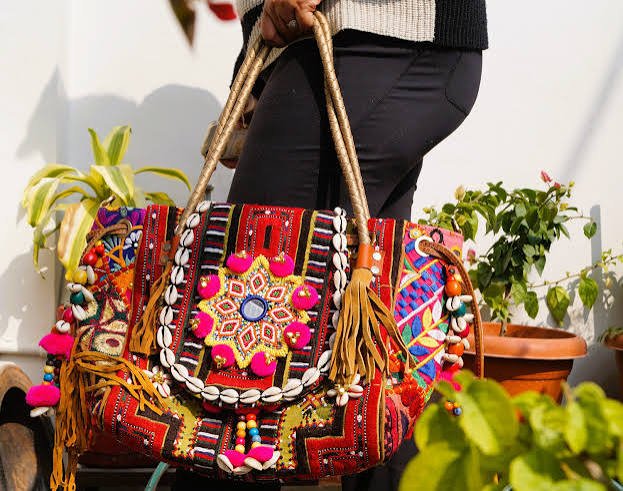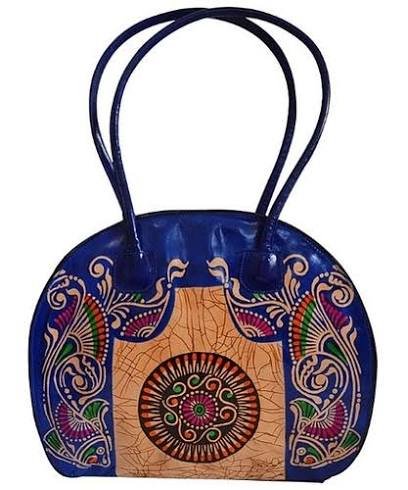

What is an Ajrakh Bag?
Ajrakh bags are handcrafted accessories made using the centuries-old resist block-printing craft natively associated with the Kutch region in Gujarat and Sindh. They are instantly recognized by their deep indigo, madder red, black, and white natural dyes, stamped in intricate geometric, trefoil, or floral patterns across natural cotton or silk fabric.
Have you ever walked past someone wearing a simple pair of blue jeans and a plain white tee, only to do a double-take because of the stunning, earthy bag resting on their shoulder? Chances are, you were mesmerised by an Ajrakh bag.
In a world filled with mass-produced synthetic tote bags and fast-fashion accessories, Ajrakh bags feel like a breath of fresh air. They don’t just hold your keys, wallet, and lipstick—they carry thousands of years of heritage, artisan patience, and brilliant natural dyes. Whether you’re a long-time handloom enthusiast or someone looking to buy your very first ethnic accessory, this complete craft, styling, and buying guide will walk you through everything you need to know about owning a genuine Ajrakh accessory.
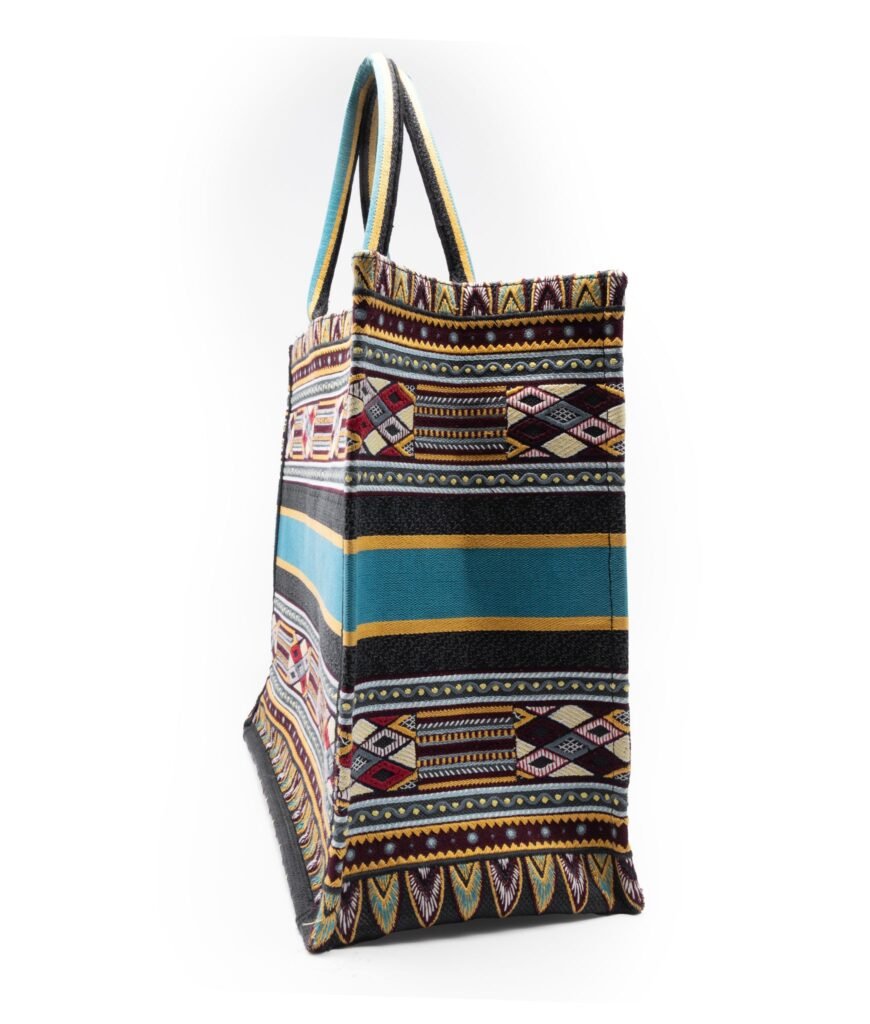
What Makes an Ajrakh Bag So Special?
An Ajrakh bag is much more than fabric stitched together into a carrier. The term Ajrakh is believed to come from the Arabic word Ajrak, meaning blue, or the local Kutchi phrase Aaj rakh (“keep it today”), referring to the multi-day patience required for the dyeing process.
Traditional Ajrakh printing is an ancient technique practiced primarily by the Khatri community in Dhamadka and Ajrakhpur in Kutch, Gujarat. What makes an Ajrakh bag unique is its seamless blend of sacred geometry, complex symmetry, and 100% natural ingredients like indigo, madder root, pomegranate rind, and iron rust.
When you sling an Ajrakh bag over your shoulder, you are carrying a piece of slow fashion that took up to 16 meticulous steps and over two weeks to create.
Ajrakh vs Ordinary Block Printing: Spotting the Difference
It is easy to lump all block-printed accessories together, but Ajrakh stands in a league of its own compared to standard modern block printing. Here is how they compare side-by-side:
| Feature | Authentic Ajrakh Printing | Regular / Screen Block Printing |
| Dye Type | 100% Natural dyes (indigo, madder, turmeric, iron) | Synthetic or chemical pigment dyes |
| Technique | Mud-resist (resist printing) & mordant washing | Direct pigment stamping or screen printing |
| Pattern Symmetry | Double-sided printing (Bipuri) with perfect alignment | Single-sided printing; back side remains plain white |
| Craft Duration | 14 to 16 steps over 12–20 days | Completed in hours or a few days |
| Fabric Feel | Softens over time, earthy natural aroma | Can feel stiff or plasticky from synthetic binders |
While regular block prints apply color directly onto fabric like a stamp, Ajrakh utilizes a complex resist-dyeing technique. Artisans apply a paste made of lime, gum, and mud to specific areas to prevent dye absorption, dipping the cloth repeatedly into natural dye vats.
Traditional Colours and Motifs of Ajrakh Art
Every pattern carved into an Ajrakh wooden block tells a story rooted in nature and ancient astronomy.
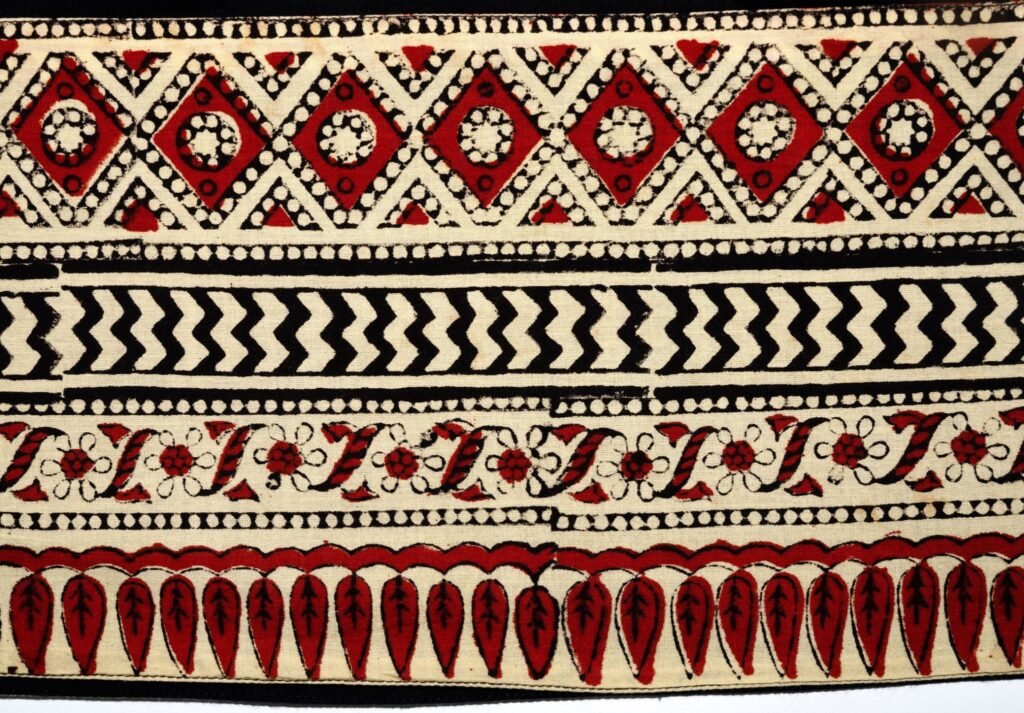
The Signature Color Palette
- Deep Indigo Blue: Extracted from the indigo plant (Indigofera tinctoria), symbolizing the night sky.
- Madder Red: Derived from madder root (Rubia tinctorum), representing the red earth and sunset.
- Black: Created by mixing iron rust, jaggery, and tamarind seed paste.
- White: The un-dyed base fabric that pops cleanly against dark background tones.
Classic Motifs to Look For
- Trevat (Trefoil): A three-leafed pattern inspired by cloud shapes and ancient Indus Valley iconography.
- Kareli (Bitter Gourd): Angular, star-like geometric lattices that create rhythmic visual balance.
- Jal (Net Patterns): Interlocking grid lines representing interconnectedness.
- Champakali: Stylized floral motifs inspired by local desert blossoms.
Exploring Popular Styles: Tote, Sling, Laptop & Duffel
Whether heading to college, taking a flight, or running to a client meeting, there is a tailored style available for every routine.
1. The Everyday Ajrakh Tote Bag
If you love spacious bags, an Ajrakh tote bag is your ultimate best friend. Roomy enough for your lunch box, water bottle, pouch, and a notebook, these totes combine soft cotton body fabric with reinforced leather or canvas straps. They add an effortless boho vibe to casual daily errands.
2. The Versatile Ajrakh Sling Bag
When you want to go hands-free, a compact Ajrakh sling bag or cross-body pouch is unbeatable. Designed with secure zip pockets and adjustable straps, sling bags are perfect for weekend markets, cafe dates, music festivals, and vacation day trips.
3. The Professional Ajrakh Laptop Bag
Who says work bags have to be boring black nylon? Ajrakh laptop sleeves and briefcases feature padded interiors to safeguard your tech while adding a distinctive touch of Indian art to corporate offices.
4. The Statement Ajrakh Duffel Bag
For weekend getaways or gym runs, an Ajrakh duffel bag instantly upgrades your airport look. Paired with sturdy brass hardware and genuine leather accents, it turns travel gear into a style statement.
How to Style Ajrakh Bag: 5 Effortless Looks
Wondering how to style Ajrakh bag choices across different outfits? Because of their earthy tones and geometric structure, these bags adapt remarkably well to both traditional ethnic ensembles and modern western silhouettes.
Here is your quick styling cheat sheet:
1. The Classic Saree Pairing
Pair an Ajrakh tote bag or structured clutch with a solid linen, handloom cotton, or Tussar silk saree. Let the vibrant red and indigo patterns of the bag stand out against neutral off-white, beige, or mustard sarees.
- Pro Tip: Match your silver oxidized jewelry with the metallic hardware of your bag for a cohesive look.
2. Everyday Kurta Sets
For office or college, pair an Ajrakh sling bag with a crisp white Chikankari kurta and palazzo pants. The contrast between bright white cotton and deep Ajrakh prints creates an instant ethnic aesthetic.
3. Fusion Denim Look
Yes, Ajrakh looks amazing with western casuals! Combine a dark navy Ajrakh tote bag with high-waisted blue jeans, a plain tank top, and a light duster kimono. The geometric block print brings depth to denim.
4. Corporate Office Wear
Break up the monotony of formal trousers and collared shirts with an Ajrakh laptop briefcase. Choose darker tones (primarily indigo and black) for a sophisticated, executive look that feels artful yet refined.
5. Boho Western Dresses
Sling a compact cross-body Ajrakh pouch over a solid maxi dress or tiered cotton sundress. Add tan leather sandals or Kolhapuri chappals to complete your effortless Bohemian ensemble.
How to Recognize Authentic Hand-Printed Ajrakh
Because Ajrakh has become so popular, cheap screen-printed imitations made with chemical dyes flooding online marketplaces. Here is your quick checklist to ensure you are buying genuine craft:
- Check Both Sides of the Fabric: Authentic Ajrakh printing is often double-sided (Bipuri). The pattern should appear nearly identical on the inside lining and outside surface. Screen-printed fakes will have a blank white reverse side.
- Look for Minor Print Bleeds: Hand-stamped woodblocks never align with machine perfection. Small overlaps in colors or subtle variance in motif spacing indicate human craftsmanship.
- Smell the Fabric: Genuine Ajrakh smells slightly earthy, sweet, or like natural indigo vats. Chemical prints smell like industrial solvents or rubber.
- Inspect Color Softness: Natural dyes yield deep, warm tones (brick red, muted indigo) that look richer over time. Synthetic dyes look harsh, overly bright, or plastic-like.
Common Printing Irregularities: Defect or Authenticity?
When buying handcrafted products for the first time, buyers sometimes mistake natural craft markers for product flaws. Knowing what to expect helps you appreciate the handmade journey.
+-----------------------------------------------------------------------+
|                 HANDPRINTED CRAFT vs MACHINE DEFECT                   |
+-----------------------------------------------------------------------+
|  AUTHENTIC CRAFT MARKERS             SYNTHETIC DEFECTS                |
|  * Slight motif misalignment         * Cracking rubberized prints     |
|  * Tiny dye spots or resist flecks   * Faded, blurry screen lines     |
|  * Subtle variations in red shade    * Unraveling seams or weak zips  |
|  * Rich earthy fabric fragrance      * Harsh chemical odor            |
+-----------------------------------------------------------------------+
A small specks of mud-resist paste or tiny variation in color intensity aren’t defects—they are the thumbprint of the master artisan who stamped that exact block of wood by hand.
How to Clean and Maintain Your Ajrakh Bag
Because authentic Ajrakh uses natural plant and mineral dyes, proper care ensures your bag lasts for years without fading prematurely.
- Spot Clean First: For minor dust or dirt, gently wipe the fabric using a soft cloth dampened with clean water. Avoid harsh scrubbing.
- Use Mild, pH-Neutral Soap: If deep washing is necessary, wash the fabric part gently by hand using mild liquid detergent or soapberry solution (Reetha). Never use harsh bleaching powders or stain removers.
- Keep Leather Trims Dry: If your Ajrakh tote bag features genuine leather handles or bases, do not submerge them in water. Treat the leather with conditioner occasionally.
- Dry in the Shade: Always dry your bag inside out in a shaded, well-ventilated area. Direct sunlight breaks down natural indigo and red plant pigments over time.
- Color Bleed Prevention: During the first couple of washes, natural dyes may release excess surface color. Wash your bag separately from light-colored garments.
Essential Buyer’s Checklist Before You Click ‘Buy’
Before purchasing your next handcrafted bag online, keep this pre-purchase checklist in mind:
- [ ] Fabric Construction: Is it high-count cotton canvas or silk, lined internally with sturdy material?
- [ ] Hardware Quality: Are the zippers smooth, metal-based, and securely stitched?
- [ ] Compartments: Does the bag include secure zippered inner pockets for valuables?
- [ ] Handle Reinforcement: Are the strap joints double-stitched or riveted for durability?
- [ ] Artisan Sourcing: Does the seller highlight direct artisan collaboration or fair-trade sourcing from Kutch?
Frequently Asked Questions (FAQs)
Q1. Do Ajrakh bags bleed color?
Natural dyed fabrics can release minor surface color during their initial wash. However, high-quality Ajrakh bags undergo multiple river washes during production, so color transference during daily use is minimal.
Q2. Is an Ajrakh tote bag durable enough for daily use?
Yes! Most quality Ajrakh tote bags are constructed using thick cotton canvas or reinforced linings, making them capable of holding laptops, water bottles, and daily essentials effortlessly.
Q3. Can I carry an Ajrakh bag with modern western outfits?
Absolutly. The dark blues, rich reds, and geometric lines of Ajrakh pair wonderfully with plain jeans, white shirts, solid maxi dresses, and sleek blazers.
See Also
- Elegant Ajrakh Print Tote Bag | A Blend of Tradition and Style!
- Hamp Bag Manufacturer In Kolkata || Ikkot, Ajrak Bag Manufacturer In Kolkata Barabazar
- Shantiniketan Leather Bags: Craft, Authenticity, Price and Care Guide
- How to Identify an Authentic Handmade Bag: 12 Signs to Check
- Traditional Indian Bags by State: 15 Regional Crafts You Should Know
- Kalamkari Bags: How to Style India’s Hand-Painted Textile Art as a Modern Accessory