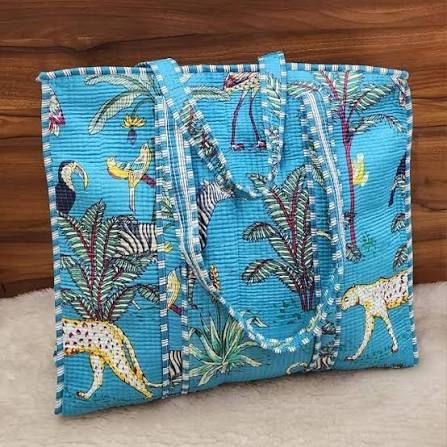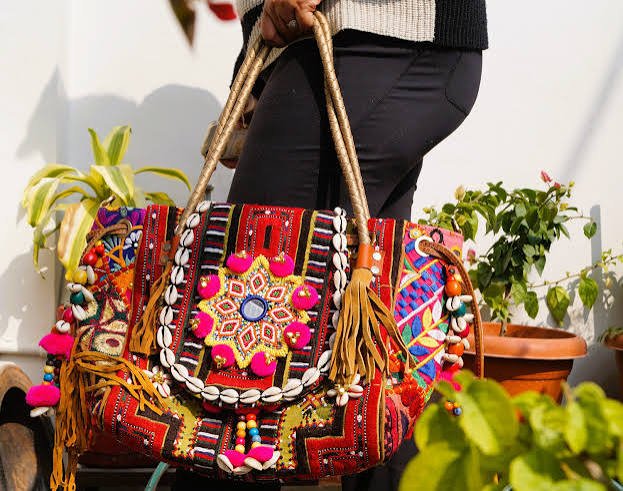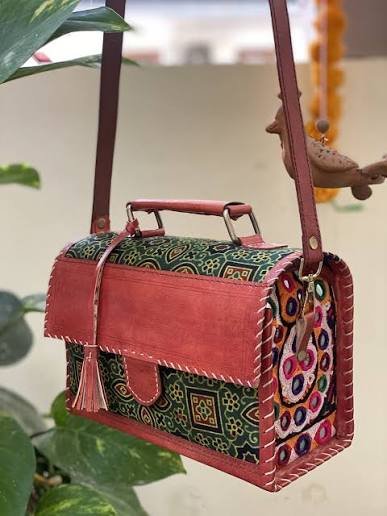

Shantiniketan leather bags are handcrafted leather accessories from West Bengal, recognised by embossed or batik-style decorative work, hand-applied colours and folk-inspired motifs. Authentic pieces commonly display small variations in colour and pattern because much of the surface decoration is completed manually.
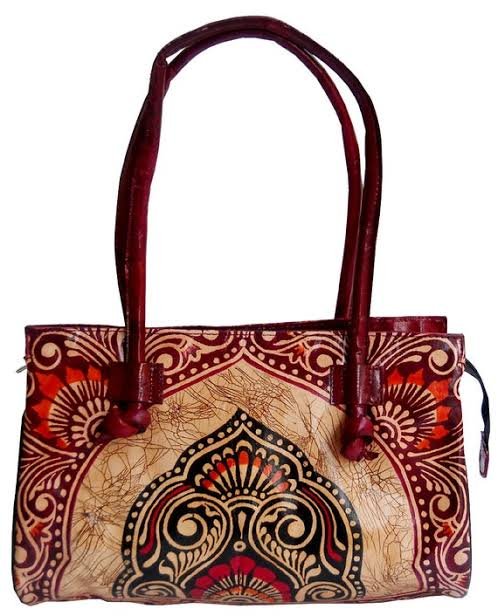
If you have ever walked through a traditional Indian handicraft bazaar or scrolled through ethnic fashion feeds, you have likely paused at a Shantiniketan leather bag. With their glossy earthy sheen, intricate raised embossing, and rich batik dyes, these bags feel less like everyday accessories and more like wearable pieces of art.
Whether you are looking to buy your very first authentic Shantiniketan leather bag, trying to figure out if that stall down the street is selling real leather or reined-in plastic, or wondering how to protect your collection during the humid Indian monsoon, this ultimate guide covers everything you need to know.
What is a Shantiniketan Leather Bag?
A Shantiniketan leather bag is a world-renowned handcrafted accessory made primarily in and around the university town of Visva-Bharati in Shantiniketan, West Bengal. Unlike factory-made leather totes that rely on chemical finishes and uniform synthetic coatings, every single leather batik bag from Shantiniketan is crafted using vegetable-tanned leather, hand-embossed wooden blocks, and hand-painted vegetable dyes.
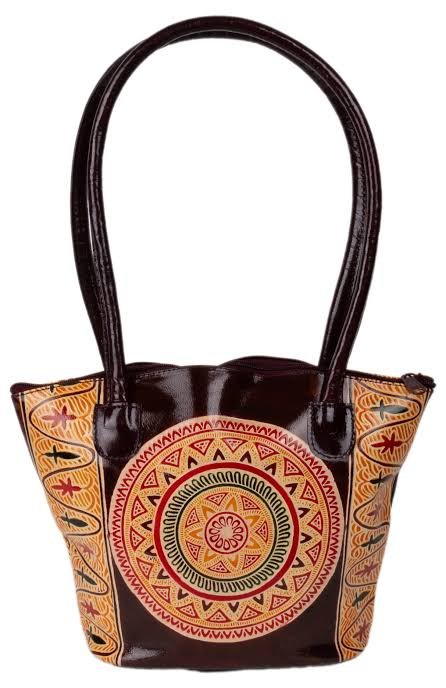
The signature look features a shiny, smooth surface filled with traditional Bengali tribal art, floral vine work, and geometric patterns. Because every piece is decorated manually by skilled artisans, no two bags are identical.
Where the Shantiniketan Leather Craft Originated
The story of the Shantiniketan leather craft is deeply tied to Nobel laureate Rabindranath Tagore and his vision for rural revival.
During the 1920s, Tagore set up Visva-Bharati University in Shantiniketan with a vision to integrate art, nature, and community livelihoods. His son, Rathindranath Tagore, along with pioneer artist Pratima Devi, introduced leather crafting as a cottage industry to empower local rural artisans—especially women.
They imported technique variations of leather batik craft from Indonesia and merged them with traditional Bengali motifs and local vegetable tanning methods. Over decades, this initiative transformed quiet villages around Birbhum into a thriving hub for handcrafted leather goods. Today, Shantiniketan leather craft holds a prestigious Geographical Indication (GI) tag, ensuring that the heritage and cultural identity remain rooted in West Bengal.
How the Leather is Prepared and Decorated
The creation of a genuine Shantiniketan leather bag is an elaborate, multi-stage process that requires days of painstaking manual labor.
Step 1: Vegetable Tanning
Artisans start with sheepskin or goatskin. Unlike mass-produced leather treated with harsh chromium salts, Shantiniketan leather undergoes vegetable tanning using natural plant tannins derived from tree bark, leaves, and seed pods. This makes the leather soft, biodegradable, and uniquely suited to holding embossed impressions.
Step 2: Embossing the Motifs
While the leather hide is still damp and pliable, artisans press intricate designs onto its surface using hand-carved wooden blocks or brass plates. Heavy roller presses ensure that the relief pattern stays etched into the leather grain forever.
Step 3: Batik Dyeing and Hand Painting
This is where the magic happens. Artisans apply a mixture of hot wax onto specific areas of the embossed leather. When the leather is dipped into dye baths or hand-painted with fine brushes, the waxed areas resist the color, creating the classic multi-toned leather batik bags effect.
Step 4: Sheen Polish and Final Stitching
Once dried, the leather is polished using glass stones or smooth brass cylinders. Friction creates that signature high-gloss glass shine without applying artificial varnish. Finally, the leather panels are stitched together with sturdy cotton lining, zips, and handles.
Common Motifs and Colours in Shantiniketan Leather Bags
The visual appeal of Shantiniketan leather bags lies in their storytelling patterns. The motifs are heavily inspired by daily village life, classical mythology, and the lush nature of rural Bengal.
- Alpona & Floral Vines: Traditional floor-art patterns, lotus blooms, and curling creepers.
- Folk & Tribal Art: Figures inspired by Santhal tribal life, dancing village women, musicians playing traditional instruments like the Ektara, and temple processions.
- Animal & Bird Imagery: Elephants, peacocks, parrots, and horses carved in rustic Indian artistic styles.
- Mandala Patterns: Concentric circular patterns that make magnificent central pieces on totes and clutches.
As for colours, authentic pieces feature warm, earthy shades:
- Deep Mahogany and Burnt Sienna
- Mustard Yellow and Ochre
- Olive Green and Forest Brown
- Crimson Red and Royal Blue
Popular Types of Shantiniketan Bags
Whether you need an daily office bag or an ethnic clutch for festive weddings, the Shantiniketan leather craft caters to every occasion:
- Totes and Shoulder Bags: Spacious, durable, and perfect for carrying everyday essentials, notebooks, or water bottles.
- Handbags & Satchels: Structured bags featuring sturdy handles and zip closures, ideal for pairing with sarees, kurtis, or linen shirts.
- Sling & Crossbody Bags: Compact and lightweight options designed for quick day trips or college outings.
- Clutches and Envelopes: Elegant handheld accessories adorned with fine batik detailing, tailored for festive gatherings and weddings.
- Wallets, Pouches, and Coin Purses: Pocket-friendly accessories that make great souvenir gifts.
How to Identify an Authentic Shantiniketan Leather Bag
With synthetic knockoffs flooding the market, spotting an authentic Shantiniketan leather bag requires a keen eye. Use this quick checklist before making your purchase:
- Natural Grain & Texture: Real sheepskin or goatskin has minor natural pores and creases. Synthetic knockoffs feel smooth like plastic.
- Embossed Depth: Run your fingers over the motifs. On a genuine bag, you will feel distinct 3D ridges and depressions carved into the leather surface.
- Colour Imperfections: Hand-applied vegetable dyes produce gentle gradients and slight color variations. Synthetic prints look flat and unnaturally perfect.
- Warm Earthy Aroma: Genuine vegetable-tanned leather has a soft, natural woodsy smell. Fakes emit a sharp chemical or plastic solvent odor.
- The GI Tag: Look for official GI certification tags or buy directly from verified handloom state emporiums like Biswa Bangla or Manjusha.
Genuine Leather vs Imitation Products
| Feature | Genuine Shantiniketan Leather | Imitation / Rexine Products |
| Base Material | Vegetable-tanned sheepskin / goatskin | PU leather, PVC, or Rexine |
| Surface Finish | Hand-embossed with 3D texture | Machine-printed flat patterns |
| Durability | Lasts for years; develops a rich patina | Peels, cracks, or flakes within months |
| Color Finish | Natural vegetable dyes with mild variations | Chemical synthetic ink with flat finish |
| Eco-Impact | Biodegradable and eco-friendly | Non-biodegradable synthetic plastic |
Expected Price Ranges by Bag Type
Prices for an authentic Shantiniketan leather bag vary depending on size, craftsmanship complexity, and artisan source.
| Bag Type | Expected Price Range (INR) | Best Use Case |
| Coin Purses & Key Pouches | ₹150 – ₹350 | Souvenirs & small gifts |
| Ladies Wallets & Mini Slings | ₹450 – ₹900 | Daily essentials |
| Medium Shoulder Bags & Slings | ₹950 – ₹1,800 | Casual outings & office use |
| Large Totes & Laptop Bags | ₹1,800 – ₹3,500 | Work, travel & heavy utility |
| Designer Handcrafted Clutches | ₹1,200 – ₹2,800 | Festive wear & formal ethnic events |
How to Clean and Condition Shantiniketan Leather Bags
Proper maintenance ensures your leather batik bags stay vibrant for years without losing their natural sheen.
Regular Cleaning
- Wipe down the bag surface weekly using a clean, dry microfibre cloth to remove accumulated dust.
- If there are minor spots, damp a cloth slightly with clean water, wipe gently, and let it air-dry under a fan. Never scrub hard.
Conditioning
- Apply a tiny dime-sized amount of specialized leather cream or natural beeswax conditioner every 4-6 months.
- Rub gently in circular motions using a soft cotton cloth.
- Allow the leather to absorb the cream for 30 minutes, then buff lightly with a dry cloth to restore its natural glossy shine.
Caution: Avoid using harsh chemical spray cleaners, alcohol hand sanitizers, or standard shoe polishes, as they strip off vegetable dyes and alter the bag’s natural colour.
Storing Shantiniketan Leather Bags During the Indian Monsoon
The humid Indian monsoon is the biggest enemy of vegetable-tanned leather. Fungal growth and white mold patches can ruin your Shantiniketan leather craft items if they are stored incorrectly.
- Never Use Sealed Plastic Bags: Plastic traps air moisture, encouraging mold growth within days. Store your bag in breathable cotton dust bags or pillowcases instead.
- Use Silica Gel Packets: Drop 2–3 silica gel pouches inside the internal compartments of your bag to absorb excess humidity.
- Ensure Air Circulation: Don’t keep leather bags crammed in dark, airtight wooden wardrobes during July and August. Take them out once every two weeks to air out in a well-ventilated room (away from direct sunlight).
- If Mold Appears: Wipe the white mildew spots gently with a mixture of equal parts water and white vinegar on a soft cloth. Let it dry completely in open air before applying leather conditioner.
Where to Buy Authentic Shantiniketan Bags from Artisan Sources
To ensure your money directly supports traditional craft families in Birbhum, consider sourcing your bags from trusted outlets:
- State Handicraft Emporiums: Stores like Biswa Bangla (West Bengal Government) and Manjusha guarantee certified GI-tagged products.
- Artisan Co-operatives in Shantiniketan: If visiting West Bengal, buy directly from local artisans at the famous Shanibarer Haat (Saturday open-air market) at Sonajhuri, Shantiniketan.
- Certified Online Craft Portals: Websites like Craftsvilla, Jaypore, or verified Etsy artisan sellers sourcing straight from West Bengal leather clusters.
Frequently Asked Questions (FAQs)
Are Shantiniketan leather bags eco-friendly?
Yes, absolutely! Authentic Shantiniketan leather bags use vegetable tanning processes derived from natural plant tannins instead of toxic chrome chemicals, making them far more environmentally friendly and biodegradable.
Can I carry a Shantiniketan leather bag in the rain?
It is best to avoid getting vegetable-tanned leather wet. Rainwater can cause water spots and dull the dye finish. If your bag gets wet, gently dab it dry with a towel immediately and let it air-dry naturally—never use a hairdryer.
Why do some Shantiniketan bags have a shiny gloss?
The glossy shine on an authentic Shantiniketan leather bag comes from manual glass-buffing friction, not synthetic plastic varnish. This smooth polish protects the vegetable-dyed batik motifs underneath.
See Also
Santiniketan Leather Bag 2026 | Handicraft Product | Genuine Leather Bag
Shantiniketan Leather Bag New Collection
Traditional Indian Bags by State: 15 Regional Crafts You Should Know
Kalamkari Bags: How to Style India’s Hand-Painted Textile Art as a Modern Accessory
Best Vegan Leather Bags in India: The Ultimate 2026 Guide to Cruelty-Free Style