
We’ve all been there standing at a local market counter, packing our laptops for college, or preparing for a weekend grocery run, wondering: Which tote bag is actually going to last? With single-use plastic bags finally out of fashion (and rightfully banned across most Indian cities!), eco-friendly fabric bags have taken over our wardrobes.
However, when you go online to buy a reliable tote, you’re hit with endless fabric choices. Should you pick a rustic jute vs canvas bag? Or should you go for a soft, breathable cotton shopper?
While manufacturers love singing praises for whichever material they produce, as everyday Indian consumers, we need honest answers. How do these fabrics handle hefty vegetable shopping, sudden monsoon downpours, or frequent washing?
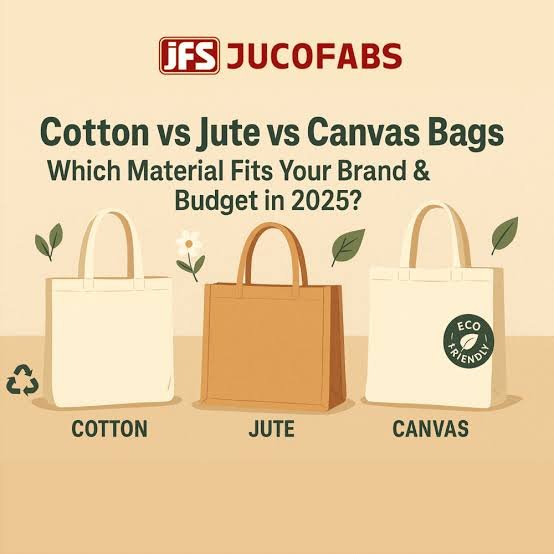
In this comprehensive showdown of cotton vs jute vs canvas bag, we break down strength, washability, styling, printing suitability, and price so you can invest in the best material for tote bags that fits your lifestyle.
Quick Material Selector
If you’re in a hurry and need a quick answer, here is the breakdown of which material wins for specific daily needs:
| Requirement | Best Material |
| Heavy everyday use | Canvas |
| Rustic, biodegradable appearance | Jute |
| Lightweight fashion tote | Cotton |
| Fine printing and embroidery | Cotton or Canvas |
| Low-cost gifting | Jute |
| Frequent washing | Cotton Canvas |
Jute, Cotton, and Canvas Explained: Understanding the Basics
To figure out which fabric suits you best, let’s look at what each material actually is and how it is made.
       [ Plant Fibers ]
        /      |      \
   (Jute)   (Cotton)  (Heavy Cotton / Linen)
     |         |                |
 [ Golden ] [ Lightweight ]  [ Heavy Duty ]
  Fibers     Sheer Weave     Plain Weave
     |         |                |
 Jute Bag  Cotton Bag      Canvas Bag
1. What is Jute? (The Golden Fiber)
Jute is a coarse, strong natural fiber extracted from the bark of the Corchorus plant, abundantly grown in Bengal and eastern India. Often called the “Golden Fiber” due to its natural shine and hue, jute produces thick, textured threads. It requires minimal pesticides and rainwater to grow, making it one of the most environmentally sustainable fibers available.
2. What is Cotton? (The Breathable Classic)
Cotton is harvested from the soft seed fluff of the cotton plant. In tote bag construction, standard cotton usually refers to a lightweight plain-weave fabric (ranging from 4 oz to 8 oz). It is soft to touch, easily foldable, highly breathable, and comfortable to carry over your shoulder all day.
3. What is Canvas? (The Heavy-Duty Workhorse)
Many people wonder if canvas is a completely different fiber. In reality, canvas is actually a specialized weave of cotton (or sometimes linen/hemp). Canvas uses thick yarns woven together tightly in a heavy-duty plain or basket weave (typically 10 oz to 16 oz or higher). This dense structure gives canvas remarkable structural strength and rigidity compared to light cotton.
Quick Comparison Table: Cotton vs Jute vs Canvas Bag
Let’s look at a side-by-side comparison of the three popular fabrics:
| Feature | Jute Bag | Cotton Bag | Canvas Bag |
| Texture & Feel | Coarse, textured, stiff | Soft, smooth, flexible | Firm, durable, smooth |
| Weight Capacity | High (15–25 kg) | Medium (5–10 kg) | Very High (20–30 kg) |
| Washability | Spot clean only | Easy machine wash | Easy hand/machine wash |
| Water Resistance | Low (Unless laminated) | Low | Moderate (Tightly woven) |
| Lifespan | 1 to 2 years | 1 to 2 years | 3 to 5+ years |
| Cost Range (INR) | ₹50 – ₹250 | ₹80 – ₹300 | ₹250 – ₹800+ |
| Biodegradability | 100% Rapidly compostable | 100% Compostable | 100% Natural Cotton |
Which Material Is Strongest? Finding the Most Durable Tote Bag Material
When carrying books, laptops, or groceries, fabric tear strength is top priority.
- Canvas (Winner for Toughness): Thanks to its tight, heavy-grade plain weave, canvas earns the title of the most durable tote bag material. It resists punctures, rough surface abrasions, and seam strain even under significant weight. A well-stitched canvas tote comfortably handles 20 to 30 kg without stretching out of shape.
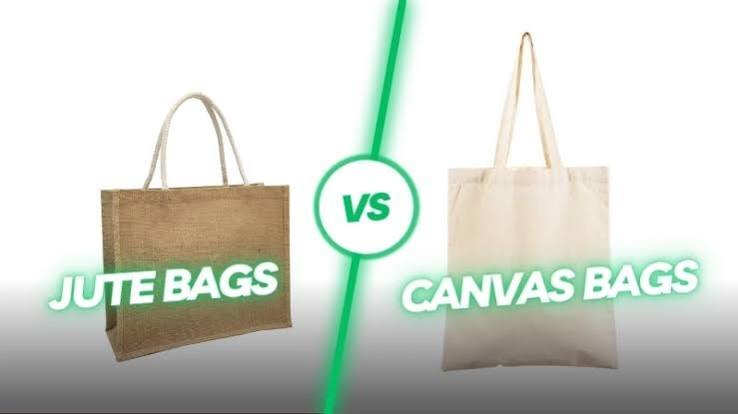
- Jute (Runner Up): Jute fibers possess naturally high tensile strength. A boxy jute bag stands upright on its own and easily holds heavy items like rice sacks or glass jars. However, jute fibers can become brittle over time if subjected to harsh folding or friction along the edges.
- Cotton: Lightweight cotton totes are great for casual carry, but heavy items can stretch the handles or cause stress tears at seam points over time.
Which Is Most Washable? Maintaining Hygiene for Daily Use
Tote bags collect dust, coffee spills, and grocery grime. Washability is essential for long-term daily use.
+--------------------------------------------------------------+
|                    WASHABILITY COMPARISON                    |
+--------------------------------------------------------------+
|  [ Cotton ]  -->  Easy Machine Wash  -->  Fast Drying        |
|  [ Canvas ]  -->  Hand / Gentle Wash -->  Retains Structure  |
|  [ Jute ]    -->  Spot Clean Only    -->  Warped by Water    |
+--------------------------------------------------------------+
- Cotton Canvas (Clear Winner): Standard cotton and canvas bags are effortlessly washable. You can toss a cotton tote into the washing machine with regular laundry. High-density canvas holds up well to gentle hand washing with soap and warm water, keeping your bag clean and fresh for years.
- Jute (Requires Caution):Never submerge a pure jute bag in water! Raw jute fibers absorb large amounts of moisture, losing structural integrity and taking days to dry thoroughly. Excessive dampness in jute can cause mold growth or a lingering musty smell. Jute bags should only be spot-cleaned with a damp cloth and mild cleanser.
Which Works Best in the Monsoon? Navigating Rainy Seasons
Indian monsoons test every fashion accessory. How do these fabrics fair against unexpected downpours?
- Laminated Jute: Raw jute absorbs water quickly, but many modern commercial jute totes feature an inner thin TPU/PE food-grade lamination coating. This lining keeps moisture from seeping through, making laminated jute a reliable option for wet vegetable markets.
- Canvas: Canvas is naturally water-resistant to a degree because its tight weave swells when wet, closing microscopic gaps. While not 100% waterproof, a thick 12 oz canvas tote protects your items during light drizzle better than thin cotton.
- Lightweight Cotton: Uncoated cotton absorbs rainwater quickly, making it less ideal during heavy downpours unless kept inside a protective outer bag.
Which Is Best for Office and College Use? Professionalism vs Functionality
When heading to work, college lectures, or coffee shop work sessions, your tote bag forms a key part of your overall look.
       [ Daily Lifestyle Choice ]
        /          |           \
   (College)    (Office)    (Shopping)
       |           |            |
   Soft Cotton   Structured   Laminated
    Tote Bag    Canvas Bag    Jute Bag
The Office Companion: Canvas Totes
For carrying laptops, chargers, water bottles, and notebooks, a canvas tote is an ideal choice. Canvas holds a clean, structured shape that complements formal semi-casual office outfits, smart kurtis, or western formals. Many canvas totes feature internal zipped pockets and key clips for added organization.
The College Go-To: Cotton Totes
College students often prefer lightweight cotton totes. They can be folded down neatly, washed every weekend, and easily customized with badges, enamel pins, or aesthetic prints.
Which Is Best for Shopping and Groceries?
For vegetable runs and supermarket trips, you need a bag that stands open, handles weight, and cleans easily.
- Jute Bags Lead the Market: A structured, box-shaped jute tote with broad reinforced handles sits flat on counters and holds heavy grocery loads easily. The stiff material prevents delicate greens from crushing.
- Canvas Totes as the Versatile Alternative: Large canvas bags with wide gussets work exceptionally well for heavy supermarket shopping, offering high tear strength and the added convenience of easy washing.
Which Accepts Block Printing or Embroidery Better? DIY & Custom Aesthetics
Customized totes with Indian block prints, kalamkari motifs, sassy quotes, or delicate embroidery are extremely popular.
FINEST PRINT DETAIL
===================
1. Soft Cotton (Smooth, crisp ink uptake)       [★★★★★]
2. Heavy Canvas (Rich texture, durable print)   [★★★★☆]
3. Coarse Jute (Rustic, broad designs only)     [★★☆☆☆]
- Cotton & Canvas: Cotton and canvas offer smooth, uniform surfaces. They absorb fabric dyes evenly, making them the best option for intricate Sanganeri block prints, screen-printed graphic art, fine embroidery, or fabric painting.
- Jute: Due to its thick weave and surface fibers, raw jute is best suited for bold, large-format logos or simple silhouettes rather than intricate line artwork.
Sustainability Comparison: Environmental Footprint
If eco-friendliness is your top priority when choosing a jute vs canvas bag, here is how their lifecycle environmental impacts compare:
    ECOLOGICAL FOOTPRINT AT A GLANCE
    ---------------------------------
    JUTE   : Low Water Usage  |  100% Rapidly Biodegradable
    COTTON : High Water Usage |  Resource-Intensive Farming
    CANVAS : High Initial Cost|  Longest Lifespan Offsets Impact
- Jute (Eco Champion): Jute requires very little water, zero synthetic fertilizers, and relies mainly on natural rainfall. It sequesters carbon dioxide rapidly while growing and biodegrades completely into organic soil within months.
- Cotton: Cotton requires significant water and land resources during cultivation. However, because it is fully biodegradable, opting for organic, unbleached cotton totes is far better for the environment than synthetic polyester alternatives.
- Canvas: While canvas relies on cotton cultivation, its extended multi-year lifespan means you reuse a single bag hundreds of times, reducing overall consumption and textile waste.
Price and Lifespan Comparison: Value for Money in INR
Understanding the cost-per-use helps highlight the long-term value of each material:
- Jute Tote Bags (Budget & Gifting Favorite):
- Price Range: ₹50 – ₹250
- Average Lifespan: 1 to 2 years
- Best Value Use: Budget shopping, festive gift hampers, wedding return favors.
- Standard Cotton Totes (Affordable Daily Style):
- Price Range: ₹80 – ₹300
- Average Lifespan: 1 to 2 years
- Best Value Use: Everyday errands, lightweight college bags, compact backup totes.
- Heavy-Duty Canvas Totes (Long-Term Investment):
- Price Range: ₹250 – ₹800+
- Average Lifespan: 3 to 5+ years
- Best Value Use: Work, college, laptop carry, multi-purpose travel.
How to Choose Based on Use: Buying Guide
Here is a quick reference guide to help you decide which material to buy based on your daily needs:
- Choose Canvas if: You need a single, highly durable daily bag for college, office, or travel that safely holds your laptop, washes easily, and maintains a clean, structured aesthetic.
- Choose Jute if: You need an affordable, sturdy bag for grocery shopping, a rustic tote for traditional outfits, or cost-effective eco-friendly gift packing.
- Choose Cotton if: You want a lightweight, breathable, easily foldable fashion tote for casual outings, quick errands, or custom artistic block prints.
Frequently Asked Questions (FAQs)
1. Is canvas stronger than jute for daily tote bags?
Yes. While jute fibers are naturally strong, woven heavy-duty canvas offers superior overall tear resistance, handle seam strength, and flexibility under heavy daily loads without becoming brittle.
2. Can I wash my jute tote bag in a washing machine?
No, pure jute bags should not be machine washed or submerged in water, as moisture can weaken the fibers and deform the bag. Instead, gently spot-clean stained areas using a damp cloth and mild soap.
3. Which material is best for daily laptop carry?
A high-density canvas tote bag (12 oz or higher) with wide shoulder straps is the best choice for carrying a laptop. It offers firm structural support, handles weight safely, and matches formal or semi-casual work outfits.
4. Are jute bags fully eco-friendly?
Yes, pure raw jute is 100% natural, rain-fed, fully biodegradable, and compostable. If your jute bag includes a plastic inner lamination lining, remember to separate or dispose of the lining responsibly at the end of the bag’s lifespan.
Final Verdict: Which Material Should You Buy?
When choosing between a jute vs canvas bag (or lightweight cotton), there is no single winner for every situation—it all depends on how you plan to use it!
- For durability, laptop support, easy washing, and polished daily style, invest in a high-grade Canvas Tote.
- For grocery runs, budget-friendly gifting, and rustic eco-charm, pick a sturdy Jute Tote.
- For breezy casual style, easy folding, and artistic prints, grab a soft Cotton Tote.
Equipped with the right tote material for every task, you can step out in style while making a conscious, eco-friendly choice!