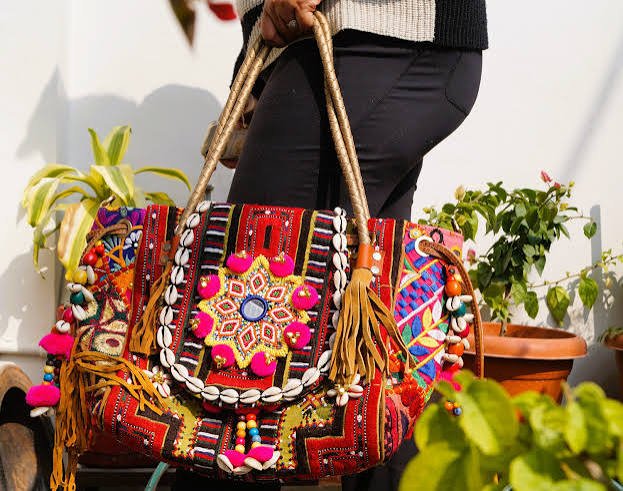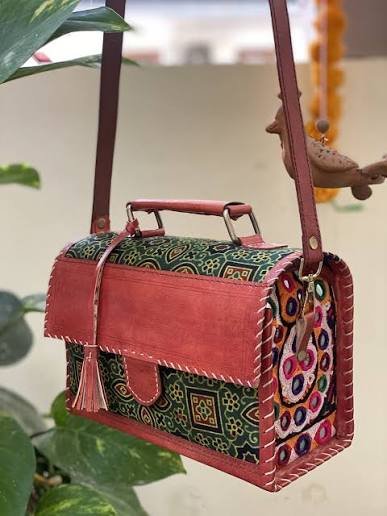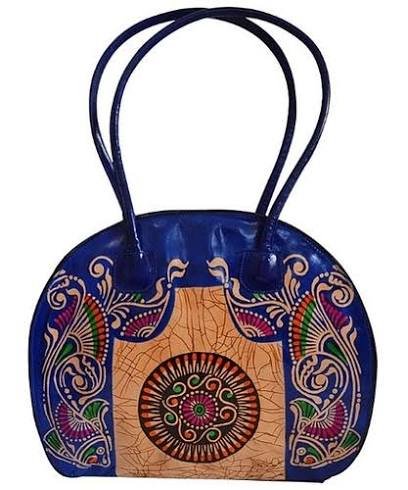

Kantha bags are quilted textile bags crafted using tight, rhythmic rows of running stitches traditional to Bengal and eastern India. While modern variations feature brand-new block-printed fabrics, vintage Kantha bags artfully repurpose layered silk or cotton sarees. Their characteristic uneven stitches, vintage patches, and soft color variations are natural artistic signatures rather than structural defects.
Whether you are stepping out for a casual Sunday brunch, heading to work with a laptop, or browsing a local handicraft market, a vibrant Kantha bag adds effortless warmth and artistic flair to your outfit. Handcrafted with love, rich history, and vibrant textile patterns, these quilted beauties have taken Indian everyday fashion by storm.
However, with so many options available online and in craft exhibitions, choosing the right Kantha tote bag, identifying genuine embroidery quality, and knowing how to wash Kantha bag collections properly can feel overwhelming.
In this complete guide, we dive deep into the world of Indian handcrafted bags so you can pick, style, and preserve your favorite Kantha pieces for years to come!
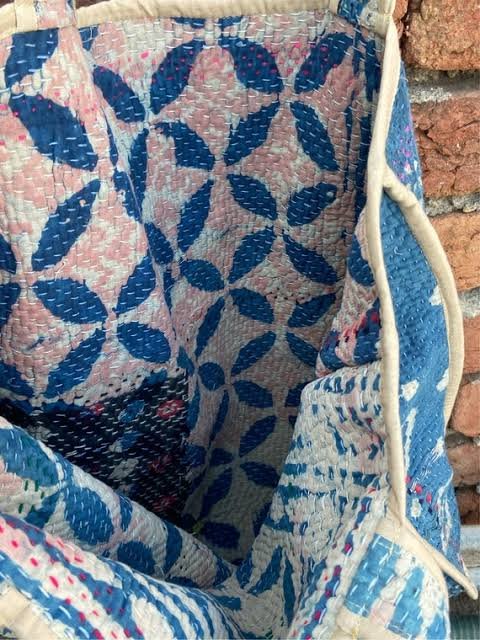
What is a Kantha Bag?
At its core, a Kantha bag is a soft, durable, quilted textile bag embellished with Kantha—a centuries-old traditional embroidery craft originating from Bengal (and widely practiced across West Bengal, Odisha, and parts of Rajasthan).
Traditionally, Bengali women layered old cotton sarees or dhotis together and bound them with simple running stitches (dori kantha) to create lightweight blankets, baby wraps, and seat cushions. Today, handbag designers and artisanal co-operatives repurpose these quilted fabrics to create stylish accessories ranging from spacious shoulder totes to sleek laptop sleeves.
Every single Kantha tote bag carries an individual story. Because the embroidery thread is guided by human hands rather than precision machines, no two bags ever look identical.
New Kantha Versus Vintage Kantha Bags
When shopping for Kantha bags, you will primarily encounter two broad categories: New Kantha and Vintage Kantha. Understanding the differences between them helps set realistic expectations for texture, longevity, and price.
| Feature | New Kantha Bags | Vintage Kantha Bags |
| Material Base | Fresh, newly woven cotton or linen fabrics (often hand-block printed or dyed). | Upcycled vintage cotton sarees, dupattas, or vintage quilts (gudris). |
| Color & Appearance | Vibrant, uniform prints; crisp and bright color palette. | Soft, muted, or faded pastel shades with unique patchwork patterns. |
| Fabric Feel | Crisp and structured initially; softens gradually over time. | Exceptionally soft, broken-in, and supple right out of the box. |
| Uniqueness | High (small batch prints, but multiple similar designs exist). | One-of-a-kind (literally zero identical duplicates exist). |
| Patches & Flaws | Rarely present; uniform weave throughout. | Frequently features small patches, contrast stitching, or minor distress. |
| Best For | Daily office use, crisp casual outings, and modern minimalist wardrobes. | Boho-chic aesthetics, ethical upcycled fashion lovers, and art collectors. |
When buying a vintage Kantha bag, keep in mind that slight color fading, small patch repairs, or uneven thread knots are signs of authentic hand-craftsmanship and upcycled history—not manufacturing defects!
How Kantha Stitching Strengthens Handloom Fabric
You might wonder: Is a bag made out of saree cotton strong enough to carry daily essentials like books, water bottles, and laptops?
The answer lies in the physics of quilting!
A single layer of old cotton saree fabric is delicate and prone to tearing under weight. However, when artisans stack 3 to 6 layers of fabric together and run thousands of parallel running stitches through them, something remarkable happens:
- Weight Distribution: The tight rows of running stitches lock all fabric layers together, creating a unified, multi-ply composite structure.
- Tension Reinforcement: When you load a Kantha tote bag, tensile stress gets distributed evenly along hundreds of strong cotton threads rather than pulling directly on a single piece of cloth.
- Friction Reduction: The quilted texture cushions the contents inside while protecting the outer surface against friction tears and daily wear.
This simple running stitch technique transforms fragile vintage textiles into heavy-duty everyday carryalls!
Popular Style Options: Tote, Sling, Pouch, and Travel Styles
While the classical Kantha tote bag remains an all-time favorite across India, modern craft labels offer several versatile silhouettes:
1. The Classic Kantha Tote Bag
- Structure: Spacious rectangular body with broad cotton strap handles that rest comfortably on your shoulders.
- Best Uses: Daily office bag, grocery bag, college tote, or beach companion.
- Key Feature: Wide opening with inner zip pockets for keys and cash.
2. Kantha Crossbody Slings & Messenger Bags
- Structure: Compact flap-over or zipped pouch featuring an adjustable crossbody belt.
- Best Uses: Hands-free shopping, weekend sightseeing, or casual evening walks.
- Key Feature: Compact size with secure zip closures to keep essentials safe.
3. Kantha Pouches & Makeup Organizers
- Structure: Small zippered clutches or flat pouches.
- Best Uses: Organizing makeup inside bigger bags, carrying toiletries while traveling, or storing stationery.
- Key Feature: Soft padding that protects delicate cosmetics or sunglasses.
4. Oversized Kantha Duffle & Weekender Bags
- Structure: Large cylindrical or boxy travel bags reinforced with canvas linings and sturdy webbed handles.
- Best Uses: Quick 2-day road trips, gym sessions, or cabin carry-on luggage.
- Key Feature: Lightweight construction compared to heavy leather or synthetic travel bags.
How to Judge Stitching and Lining Quality Before Buying
Because Kantha bags are made by different artisan clusters and indie brands across India, quality can vary significantly. Here is a quick checklist to help you evaluate quality before making a purchase:
- Check Stitch Density: Look closely at the distance between rows of running stitches. High-quality Kantha tote bag options have close, dense rows of stitches (roughly 1/8 inch to 1/4 inch apart). Wider stitch gaps mean lower fabric reinforcement.
- Inspect the Inner Lining: Pure cotton fabric without an inner lining will sag under weight. Premium bags feature a sturdy cotton canvas or heavy duck fabric inner lining that helps the tote maintain its shape.
- Examine Handle Reinforcement: Handles endure the most stress. Ensure that the straps are double-stitched or reinforced with X-box stitching where they meet the top rim of the bag.
- Evaluate Hardware Quality: Check zippers, magnet snaps, and metal hooks. Smooth brass or antiqued metal zippers last much longer than cheap plastic zippers.
How to Style Colourful Kantha Bags with Everyday Indian Outfits
One of the biggest advantages of owning a multi-colored Kantha tote bag is its versatility. Because these bags combine multiple hues and motifs, they complement almost any outfit!
Here are quick styling ideas for your wardrobe:
- Monochrome Kurti & Jeans: Pair a bright, rainbow-stitched vintage Kantha bag with a solid white Chikankari kurti and denim blue jeans. The bag serves as the focal point of your outfit!
- Saree & Handloom Ethnic Wear: Pair a soft pastel Kantha shoulder bag with a linen saree, Chanderi suit, or hand-block printed Anarkali for a relaxed ethnic look.
- Western Casuals: Match an indigo-dyed Kantha tote bag with an oversized linen shirt, neutral trousers, and classic Kolhapuri flats or canvas sneakers.
- Boho Dress Chic: Layer a flared maxi dress with silver oxidised jewellery and a vibrant Kantha crossbody sling for a bohemian festival vibe.
Best Everyday Uses for Lightweight Kantha Totes
Why are Indian women swapping rigid leather bags for soft cotton Kantha bags? Convenience and functionality!
- Work & Laptop Bag: Lightweight yet sturdy enough to hold a 13-inch or 15-inch laptop along with an iPad, charger, notebook, and lunchbox.
- Eco-Friendly Market Shopping: Ditch single-use plastic bags! A Kantha tote folds down flat into your handbag and opens up into a spacious grocery bag.
- New Mom Essentials Bag: Excellent as a washable diaper bag that easily holds extra baby clothes, wipes, bottles, and toys without adding unnecessary weight.
- Travel Companion: Folds completely flat inside your luggage so you always have a stylish extra bag for vacation souvenir shopping.
Can Kantha Bags Be Washed?
Yes, Kantha bags can definitely be washed!
Since most Kantha bags are crafted from 100% natural cotton fabrics and cotton threads, they are washable. However, because they feature delicate hand-stitching and natural dyes (like indigo, madder, or turmeric-based vegetable dyes), machine washing on harsh cycles is strict no-no. Machine agitators can snag loose running threads and cause vegetable dyes to bleed.
Below is the step-by-step hand-washing routine to keep your bag looking fresh and vibrant!
Step-by-Step Cleaning Instructions: How to Wash Kantha Bag Safely
Follow this gentle 5-step hand-washing method whenever your Kantha tote bag needs a deep clean:
- Prep & Empty: Completely empty all pockets. Turn the bag inside out and gently shake off dust, crumb particles, or loose lint from the inner lining.
- Prepare Mild Wash Solution: Fill a clean bucket or basin with cold or lukewarm water. Add 1 tablespoon of mild liquid detergent or baby shampoo (avoid harsh bleach, fabric softeners, or stain-removing enzymes).
- Gentle Submersion & Soaking: Submerge the bag in the soapy water. Gently swish it around with your hands for 2 to 3 minutes. Do not scrub aggressively or twist the fabric, as friction can pull out running stitches.
- Rinse Thoroughly: Drain the soapy water and refill the bucket with clean, cold water. Submerge and swish the bag until all detergent residue is rinsed away.
- Drying Correctly: Gently press the bag between your hands to squeeze out excess water—never wring or twist it! Lay the bag flat on a clean towel, roll it up gently to absorb excess moisture, and then line-dry in a shaded, well-ventilated area away from direct sunlight.
Pro Tip for Natural Dyes: If your vintage Kantha bag features indigo or vegetable dyes, add 1 tablespoon of common salt to the first rinse water. Salt helps lock natural colors into cotton fibers and prevents bleeding!
Quick Spot-Cleaning Method for Minor Stains
If you accidentally spill coffee, tea, or food on your Kantha tote bag, you don’t need to wash the entire bag:
- Dampen a clean microfibre cloth with cold water.
- Apply a tiny drop of liquid detergent directly onto the wet cloth.
- Gently dab (do not rub!) the stained area until the spot lifts.
- Blot the area with a second cloth dampened with plain water to remove detergent, then let it air dry in the shade.
How to Repair Loose Running Stitches at Home
Because Kantha bags feature continuous rows of hand-sewn threads, an occasional thread end might pop up or catch on a sharp key ring. Don’t worry—fixing loose stitches is quick and easy!
- Never Pull Loose Threads: If you pull a loose thread, you will gather or unravel the entire quilted row.
- The Knot & Tuck Method: Thread a standard sewing needle with matching cotton embroidery thread. Tie a small knot at the end. Insert the needle into the fabric right where the stitch came loose, pull it through the inner layer, and knot it securely inside the lining so it stays hidden.
- Securing Frayed Ends: If a small thread end is too short to re-thread, apply a tiny speck of clear fabric glue to the thread tip and press it down flat against the fabric row.
Frequently Asked Questions (FAQs)
Q1. Do Kantha bags bleed color during the first wash?
Vintage or hand-block printed Kantha bags (especially those dyed with natural Indigo or vegetable dyes) may release excess surface dye during their first wash. Always wash your Kantha tote separately in cold water with a pinch of salt to prevent color transfer.
Q2. Are vintage Kantha bags durable enough for everyday laptop use?
Yes! As long as the bag includes a internal canvas lining and reinforced shoulder handles, a layered vintage Kantha bag easily carries everyday weights up to 4–5 kg, including laptops, books, and water bottles.
Q3. How do I remove stubborn ink or grease stains from a Kantha tote bag?
Mix a small paste of baking soda and cold water, dab it gently onto the stain with a soft-bristled toothbrush, let it sit for 10 minutes, and rinse with cold water. Avoid harsh bleach products as they destroy handloom fabric fibers.
See Also
- Cotton Kantha Fabric Big Size Tote Handbag
- Hand Stitched Kantha Hobo Bag
- How to Make a Kantha Quilt: Step-by-Step Guide for Beginners
- Banjara and Lambani Bags: Mirror Work, Meaning, and Styling Guide
- Ajrakh Bags: Styling, Craft Process and Buying Guide
- Shantiniketan Leather Bags: Craft, Authenticity, Price and Care Guide