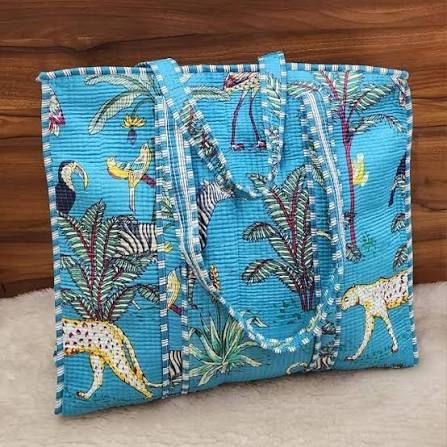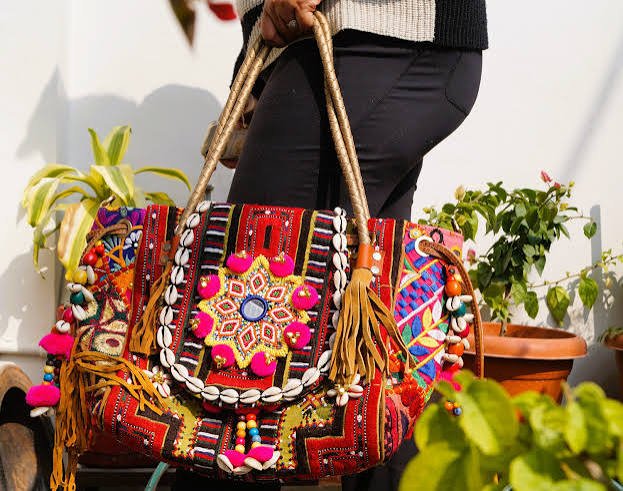

Let’s picture a classic, everyday scenario. You are packing up your laptop, a small water bottle, a diary, and maybe a quick lunch for a busy day out. You want to carry something light, conscious, and planet-friendly. For the longest time, the automatic answer to “sustainable Indian carryalls” was a plain, slightly coarse, beige jute sack.
Now, don’t get me wrong—we love our reliable jute totes. They are sturdy, eco-friendly, and absolute workhorses for grocery runs. But let’s be perfectly honest: they don’t exactly scream “high fashion” when you are trying to assemble a chic outfit for college, office meetings, or a casual weekend coffee date with friends.
The incredible news is that the Indian sustainable fashion landscape has undergone a massive transformation. Homegrown designers and passionate craft clusters are moving far beyond basic fibers. They are diving headfirst into India’s rich textile treasury to create stunning, structured fabric bags made from breathtaking traditional weaves.
From the sharp, geometric lines of Ikat to the poetic storytelling of hand-painted Kalamkari, traditional Indian weaves are giving the humble cloth tote a luxurious, ramp-ready makeover.
The Sustainable Fashion Movement: Shifting to Handloom Textile Purses
Everywhere you look in urban India today, there is a beautiful shift toward conscious consumerism. We are paying closer attention to who made our clothes, what materials are touching our skin, and how our choices affect local ecosystems. This exact mindfulness has stepped into the world of arm candy.
For generations, India has been a global epicentre for intricate, hand-woven textiles. Every single state has its own distinct heritage fabric, woven by master artisans who have kept these complex techniques alive through generations.
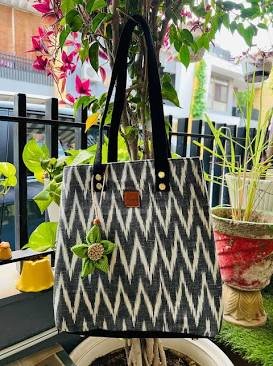
By repurposing these magnificent heritage cloths into structured, durable fabric bags, modern fashion brands are achieving two massive goals at once:
- They offer an eco-friendly, plastic-free alternative to mass-produced synthetic materials or chemically treated fast-fashion faux leather.
- They breathe vibrant new economic life into rural weaving clusters across India, keeping ancient artisanal skills relevant for a younger, trend-focused audience.
Let’s break down the spectacular local weaves that are completely redefining the modern ethnic carryall totes you see out on the streets today.
Ikat and Kalamkari: Traditional Weaves on Modern Fabric Bags
If you walk into a trendy indie boutique or browse an online fashion portal right now, you will instantly notice two textile art forms dominating the display racks: Ikat and Kalamkari. While they have been beloved saree staples for centuries, their transition into modern bag structures is nothing short of iconic.
The Striking Geometry of Handloom Ikat
Ikat is a true mathematical marvel of the textile world. Unlike regular printing where color is stamped onto a finished piece of cloth, Ikat utilizes a complex “tie-and-dye” process done on the raw threads before they are ever loaded onto the loom. The artisans tie tight knots onto bundles of yarn to block out colors, dye them, and then weave them together.
Because the alignment of the dyed threads naturally shifts slightly during the manual weaving process, the finished fabric features a signature, beautiful “blurred” or feathered edge pattern.
When translated into everyday fabric bags—like large office laptop totes, sleek unisex backpacks, or boxy crossbody slings—the bold geometric chevrons and diamonds of Pochampally or Sambalpuri Ikat give off an incredibly sharp, artistic, and sophisticated vibe. It adds an instant edge to a crisp white formal shirt or a basic dark kurti.
The Organic Storytelling of Kalamkari
On the completely opposite side of the visual spectrum sits Kalamkari—a glorious, ancient art form originating primarily from Andhra Pradesh. The word itself translates to “pen art,” where skilled master artisans use organic, plant-based dyes to illustrate intricate stories by hand onto premium cotton panels.
Kalamkari Crafting: Bamboo Pen -> Natural Plant Dyes -> Freehand Epic Mythological Motifs
When you look at a Kalamkari bag, you are looking at freehand depictions of blooming lotuses, graceful peacocks, trailing vines, and scenes from ancient folklore. Because the colors are derived from organic ingredients like jaggery, pomegranate skin, indigo leaves, and rusted iron, the tones are beautifully earthy, warm, and vintage.
A medium-sized Kalamkari sling bag paired with a simple linen outfit creates an effortlessly bohemian, intellectual aesthetic that looks deeply personal and utterly unique.
Phulkari and Kantha Work: Beautiful Ethnic Carryall Totes with Intricate Needlework
While Ikat and Kalamkari rely heavily on the yarn-dyeing and surface-painting stages, other parts of India use the magic of the needle and thread to add rich, three-dimensional texture to everyday fabric bags.
The Vibrant Sunshine of Punjabi Phulkari
Hailing from the heart of Punjab, Phulkari literally translates to “flower craft.” Traditionally, women in rural households embroidered heavy darning stitches using bright, glossy silken threads onto coarse, hand-spun khaddar fabric. The stitches are done from the reverse side of the cloth, creating a remarkably dense, lustrous pattern that catches the light like pure silk.
Modern artisan handicraft accessories utilize these intensely bright, energetic Phulkari panels to create beautiful statement pieces. A festive evening clutch or an over-the-shoulder hobo bag adorned with dense yellow, fuchsia, and orange Phulkari motifs can completely elevate a simple outfit, making it bright enough for a family sangeet or a Diwali party.
The Sustainable Geometric Quirting of Bengali Kantha
Kantha work from West Bengal is perhaps the original, ultimate example of sustainable fashion. Generations ago, women would stack their soft, old cotton sarees together and join them using a simple, rhythmic running stitch to create beautiful quilted blankets for infants.
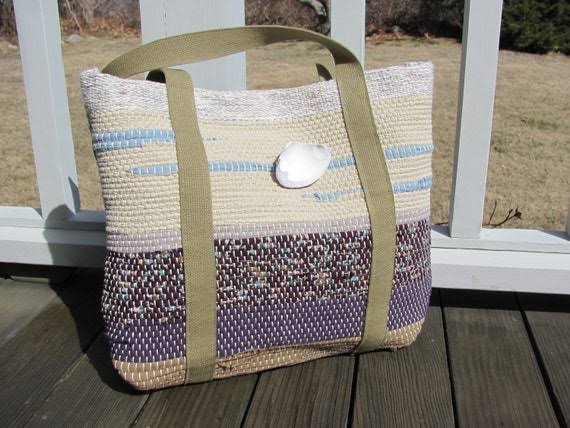
Today, this beautiful, wavy running-stitch technique is done on fresh cotton, tussar silk, or sturdy canvas panels to build lovely, quilted fabric bags. The beauty of Kantha lies in its minimalism. It creates a gorgeous, soft, crinkled texture that feels wonderfully organic to the touch. Kantha backpacks and oversized weekend travel bags are incredibly popular among young travelers because they are lightweight, pack down completely flat, and look effortlessly artistic.
Beyond Aesthetics: Why Investing in Artisan Handicraft Accessories Matters
Choosing an exquisite, heritage hand-blocked print handbag over a standard synthetic fast-fashion piece isn’t just a minor visual choice—it carries a profound positive impact that ripples across rural communities.
1. Preserving India’s Generational Crafts
Many of our country’s most spectacular weaving and printing techniques are at risk of fading away because the younger generations of artisan families often look for alternative livelihoods in big cities. When we actively buy and showcase modern, trendy fabric bags made from these handlooms, we increase market demand. This proves to artisan communities that their ancestral skills are highly valued and economically sustainable in the modern world.
2. Radical Reduction of Environmental Waste
Most fast-fashion bags are constructed using cheap Polyurethane (PU) or PVC plastics. These materials take hundreds of years to decompose, and their production releases toxic chemicals into our waterways. In stark contrast, handloom fabric bags are made from renewable natural fibers like cotton, silk, and wool. They are woven on handlooms that require zero electricity, creating a carbon footprint that is incredibly low.
The Ultimate Maintenance Guide: How to Care for Handloom Fabric Bags
Let’s address the big question that almost every buyer asks: “But won’t a cloth bag get dirty easily? How do I clean it without ruining the colors?”
It’s a completely fair concern! Unlike plastic or heavy leather that can be wiped clean with a wet napkin, premium handloom fabric bags require a slightly mindful cleaning routine.
Follow these professional garment-care steps to keep your heritage pieces looking immaculate for years:
The Golden Rule: Gentle Hand Wash Only
Never, under any circumstances, toss a handcrafted fabric bag into a washing machine. The violent spinning action can distort the structured internal lining, rip delicate embroidery, and fray hand-woven threads. Instead, fill a small bucket with cold water, add a single teaspoon of a mild liquid detergent meant for delicate woolens or silks, and submerge the bag gently.
Master the Spot-Cleaning Technique
If you happen to get a small ink mark or a food stain on your bag, do not wash the entire piece. Take an old, soft toothbrush or a clean white microfiber cloth, dip it into your mild soapy water solution, and very gently dab the stained area. Work your way from the outside edge of the stain inward so it doesn’t spread across the clean fabric.
Dry Safely inside the Shade
Once washed, do not wring or twist your bag roughly to squeeze out water. Gently press it between two clean dry towels to absorb the excess moisture, shape it back into its original structure with your hands, and let it air-dry completely in a shaded, well-ventilated area.
Pro-Tip: Direct, harsh Indian sunlight can fade gorgeous natural plant dyes (especially Kalamkari indigo or madder red) within a couple of hours. Always dry your artisanal pieces indoors or under a verandah shade!
Conclusion: Ditch the Boring, Embrace the Heritage
The days of assuming that fabric bags are just for grocery shopping or carrying vegetables are officially over. By blending India’s incredible wealth of textile arts with sleek, contemporary bag design, homegrown brands are offering something truly special: accessories that have a soul, a story, and a stunning presence.
The next time you want to purchase a new everyday carryall, skip the mass-produced synthetic options. Treat yourself to a striking geometric Ikat tote or a beautifully quilted Kantha bag instead. You’ll look effortlessly stylish, feel wonderfully comfortable, and carry a beautiful piece of living Indian history wherever you step!
Which of these incredible Indian weaving styles matches your personal fashion vibe the most? Are you completely obsessed with the geometric lines of Ikat, or do you love the earthy storytelling of Kalamkari? Drop your thoughts in the comments section down below—we absolutely love hearing from you!
See Also
The Heritage of the Potli: How an Ancient Pouch Became India’s Ultimate Evening Bag
Gateway To Overseas export Markets