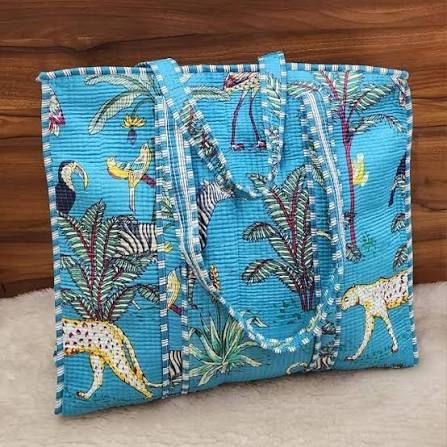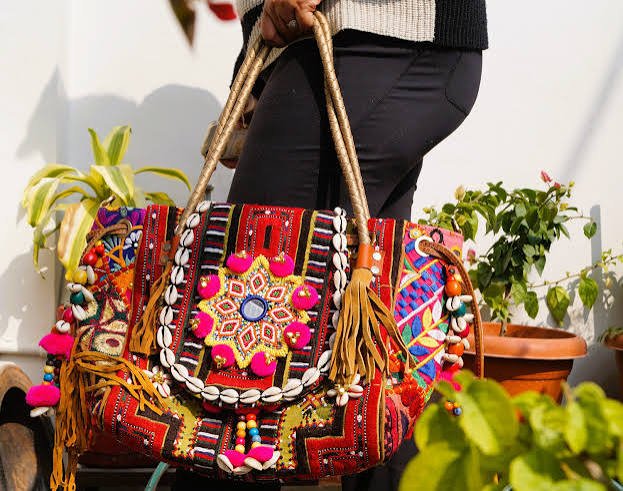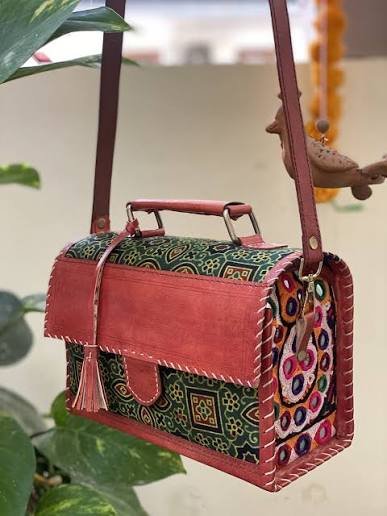

Let’s be honest—no matter how many sleek international designer clutches we store in our wardrobes, nothing hits quite the same when you are draped in a gorgeous six-yard saree or a heavy lehenga like a classic potli bag. It is the ultimate finishing touch to our festive look, dangling gracefully from the wrist, swaying with every beat of the dhol.
But have you ever paused mid-selfie at a wedding and wondered how this simple, soft fabric drawstring pouch became such a massive statement in Indian festive fashion?
Believe it or not, the elegant potli bag you are pairing with your designer outfits today wasn’t always a luxury item covered in pearls and intricate sequins. It has traveled through thousands of years of Indian history, surviving dynasties, colonizations, and global fashion shifts to earn its permanent crown as the undisputed king of ethnic purses.
Grab a cup of masala chai, and let’s dive deep into the fascinating evolution, regional secrets, and modern avatars of India’s favorite heritage accessory!
Ancient Roots: When the Potli Bag Was an Essential Survival Tool
Long before it was a glamorous ethnic fashion accessory, the potli bag was purely functional. If we roll back the clock by thousands of years to ancient India, there were no pockets in traditional draped garments like the dhoti or the early forms of the saree. People needed a reliable, hands-free way to carry their daily life around.
Enter the Potallaka—the earliest ancestor of our modern drawstring pouch.
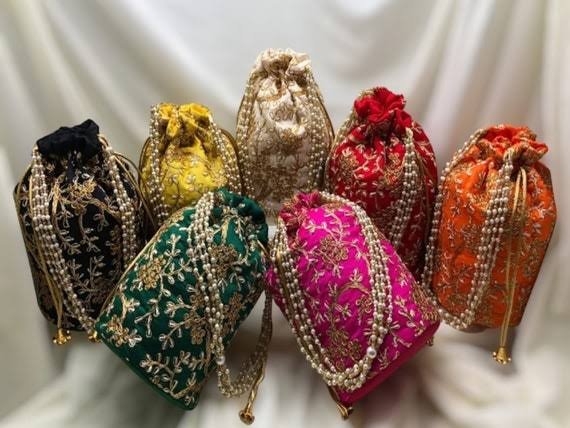
If you look closely at ancient Indian epics like the Ramayana and the Mahabharata, or read accounts of historical travelers, you’ll find mentions of these fabric pouches. Sages, merchants, and common folks used simple, unadorned cotton or jute bags tied at the waist or slung across the shoulder.
What did they keep inside?
- Medicinal herbs and roots
- Gold and copper coins for trade
- Sacred religious texts and scrolls
- Betel nuts (supari) and basic traveling rations
During this era, utility was everything. The bag needed to be durable, easy to tie, and lightweight. It was a rustic, unisex necessity born out of pure everyday logic.
The Mughal Influence: Elevating the Drawstring Pouch to Pure Luxury
The real, glamorous glow-up of the potli bag happened during the medieval period, specifically under the patronage of the Mughal courts and royal Rajput kingdoms. This is the exact era where the humble pouch crossed over from everyday utility to a high-fashion royal status symbol.
The queens, princesses, and noblewomen of the courts loved luxury textiles, and they wanted their personal accessories to reflect their wealth. They began commissioning royal artisans to transform the plain fabric pouch into an artistic masterpiece.
Ancient Utility (Cotton/Jute) ➔ Royal Splendor (Silk/Brocade/Gold Embroidery)
Suddenly, raw cotton was replaced by opulent fabrics like Banarasi silk, rich velvet, satin, and heavy brocades. But the real magic lay in the hand-embroidery. Royal artisans adorned these bags with traditional embroidery art, filling them with Zardozi (gold and silver metallic thread work), real seed pearls, semi-precious stones, and delicate mirror work.
The simple closing strings were upgraded into magnificent silk drawstrings, capped with heavy, handmade tassels (latkans) that made a soft, musical sound as the royalty walked. Carrying an ornate potli bag packed with expensive perfumes (ittar) and mouth fresheners became the ultimate sign of sophistication and high noble breeding.
Regional Magic: The Diverse Embroidery Art Forms of Indian Festive Fashion
One of the most beautiful aspects of the potli bag is that it isn’t just one single style. As you travel across different states of India, the design, fabric, and texture of these ethnic purses change dramatically, mirroring the local heritage and crafts of that specific region.
Let’s look at a quick comparison of the most legendary regional variants that dominate Indian wardrobes today:
| Region / State | Traditional Style | Key Features & Materials | Best Paired With |
| Rajasthan | Gota Patti & Mirror Work | Vibrant reds, pinks, and yellows; tiny mirrors that reflect light beautifully. | Bandhani sarees, lehengas, and festive folk outfits. |
| Uttar Pradesh (Lucknow) | Chikankari Potlis | Soft pastel cotton or georgette fabrics featuring delicate, shadow-work hand-embroidery. | Breezy summer anarkalis, shararas, and daytime ethnic wear. |
| Gujarat | Kutch Tribal Work | Heavy, multicolored threads, geometric patterns, and intricate patchwork. | Navratri chaniya cholis and boho-chic fusion outfits. |
| Varanasi (UP) | Banarasi Brocade | Rich silk woven natively with real gold and silver threads (Zari). | Heavy silk sarees and royal wedding outfits. |
When you buy a handcrafted piece from these regions, you aren’t just buying a bag—you are carrying a small piece of an artisan’s generational legacy on your wrist.
The Ultimate Wedding Staple: Designer Bridal Potlis Take Center Stage
Fast forward to the modern era, and the potli bag has achieved legendary status in the world of traditional wedding accessories. Walk into any grand Indian wedding, and you will see them everywhere, from the close relatives to the main bride herself.
Why do modern brides prefer designer bridal potlis over standard Western luxury clutches? It comes down to a perfect blend of comfort and cultural aesthetics.
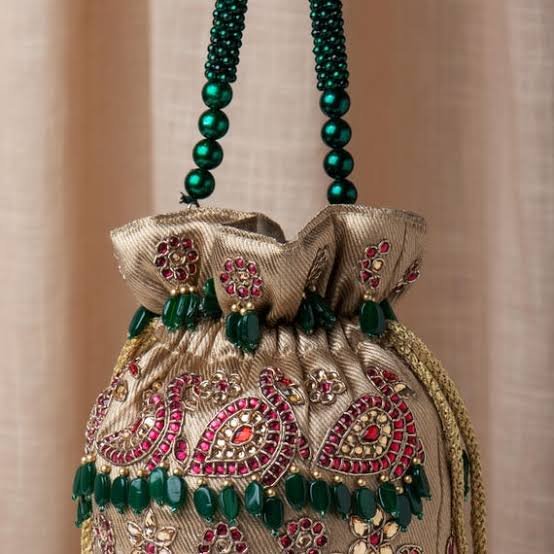
An Indian bride has a lot going on—heavy jewelry, a multi-kilogram lehenga, and endless rituals where she needs her hands completely free. A Western box clutch forces you to constantly hold it or awkwardly tuck it under your arm. A premium potli bag, on the other hand, features a gorgeous pearl-beaded handle or a soft metallic chain that slips effortlessly over the wrist. It stays secure, looks completely synchronized with the outfit, and lets the bride enjoy her special day without any bag-handling stress.
Furthermore, these bags have become a favorite for Mehendi favors and Shagun gifts. Gifting beautifully crafted fabric potlis filled with dry fruits, sweets, or coins is a time-honored tradition that beautifully showcases the warmth of Indian hospitality.
The Modern Gen Z Flip: How to Style a Potli Bag with Fusion Wear
If you think that this ancient accessory is only meant for elder aunts or super-traditional events, think again! The younger generation of Indian fashion creators is completely turning the script on its head. Gen Z is actively bringing the potli bag out of the wedding halls and straight onto the urban streets.
It is all about creating a striking visual contrast through fusion styling. Here are a few creative ways young fashionistas are styling this gorgeous accessory today:
1. The Pantsuit Power Move
Take a sharp, monochromatic oversized power pantsuit in a solid color like emerald green or black. Instead of a boring corporate tote, throw on a heavily embroidered, metallic potli bag. The mixture of sharp Western tailoring with soft, traditional Indian embroidery creates an unforgettable, high-fashion statement.
2. Denim Casuals with a Boho Twist
Want to elevate your casual weekend outfit? Put on your favorite high-waisted boyfriend jeans, a plain white linen shirt, and sling a vibrant, mirror-work Gujarati drawstring pouch over your shoulder. It adds an instant, effortless pop of color and personality to a simple daylight look.
3. The Modern Indo-Western Co-ord Set
Co-ord sets are everywhere right now. A minimalist crop top paired with wide-legged palazzo pants can look slightly plain on its own. Pairing it with a delicate pastel Chikankari or a textured silk potli instantly roots the look, making it perfect for a festive family dinner or a festive office party.
How to Keep Your Heritage Bags Looking Brand New: A Care Guide
Because high-quality ethnic purses are decorated with delicate beads, fine silk threads, and hand-woven fabrics, you cannot treat them like your rugged canvas backpacks or faux-leather bags. They need a little extra love and attention to survive the Indian climate.
Here is a quick checklist to ensure your favorite bags last for decades:
- Never Wrap in Plastic: Plastic bags trap moisture, which can cause fungus to grow on velvet or ruin the shine of real silk. Always store them in breathable, cotton dust bags.
- The Silica Gel Trick: Drop a tiny pouch of silica gel inside your potli before storing it. This acts as a lifesaver during the humid Indian monsoon months by absorbing any ambient moisture.
- Avoid Perfume Spray: Never spray perfume or ittar while wearing your bag. The chemical alcohol content can permanently tarnish metallic gold Zari threads and discolor silk.
- Spot Clean Only: If you spill food or drink at a wedding, do not wash the bag! Use a slightly damp white microfiber cloth to gently dab the stain, or take it straight to a professional dry cleaner.
Conclusion: Carrying History into the Future
The journey of the potli bag is a beautiful reminder of how Indian fashion respects its past while continuously evolving for the future. It has successfully evolved from a simple cotton wrap carried by ancient travelers into an opulent symbol of royal luxury, and finally into a highly versatile, modern style statement.
The next time you pull those silky drawstrings tight and slip the beaded handle over your wrist, remember—you aren’t just carrying a purse. You are carrying a living piece of Indian heritage that has survived for millennia, looking just as breathtaking today as it did in the royal courts of old.
What’s your absolute favorite way to style a festive pouch? Are you Team Classic Pearl Clutch or Team Traditional Potli? Let us know in the comments section below! Don’t forget to share this post with your fashion-forward besties who are planning their upcoming wedding outfits!
See Also
My High End Luxury Bag Collection | How To Take Care Of Your Bags
1000+ Apparel Distributors Directory (2025)
Beyond Jute: Traditional Indian Weaving Techniques Shaping Modern Bags