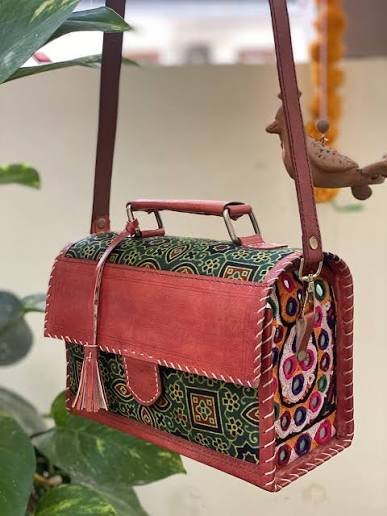

To clean an embroidered or block-printed bag, first empty it and test a hidden area for colour bleeding. Spot-clean with cold water and a small quantity of mild detergent. Dab rather than scrub, avoid soaking structured sections, and dry the bag reshaped in the shade. So, how to clean an embroidered bag
Whether it is a vibrant embroidered tote bag, an artisanal Jaipur block-printed shopper, or a delicate clutch embellished with mirrors and zari work, handcrafted bags bring soul and colour to any outfit. However, unlike plain cotton totes or standard leather purses, artisan fabric bags require thoughtful maintenance.
Ordinary fabric-washing advice often overlooks key components like internal stiffeners, leather handles, delicate linings, metal hardware, and intricate threadwork. If you put an artisan bag into a standard laundry cycle, you risk bleeding vegetable dyes, snagging delicate embroidery, rusting metallic zips, or losing the bag’s structural shape entirely.
This step-by-step guide walks you through safe fabric handbag cleaning, stain removal techniques, and long-term care tailored specifically for hand-embroidered and block-printed textiles.

Can Embroidered Bags Be Washed?
The short answer is yes, but with extreme caution and rarely by fully submerging them in water.
Hand-embroidered and block-printed bags are made using delicate craft techniques. Block printing often relies on natural, vegetable, or pigment-based dyes that can bleed if soaked in hot water or exposed to harsh chemical detergents. Similarly, hand-drawn embroidery threads (such as resham, anchor cotton, or zari) can loosen, fray, or bleed colour onto the background canvas.
Moreover, handcrafted totes and purses contain internal structural elements like stiff interlinings, buckram, or cardboard bases. Fully immersing these bags in water causes the interlining to lose its bond, warp, or collapse, turning a structured bag into a limp, shapeless sack.
Instead of soaking or machine washing, the safest approach to how to clean an embroidered bag is localized spot-cleaning using cold water and gentle dab-and-blot techniques.
Check the Care Label and Construction First
Before applying any water or cleaning agent, inspect your bag’s materials and structural details.
1. Fabric Type
Identify the primary fabric. Cotton and linen are durable, but hand-loomed cottons or silk-blend fabrics need extra gentle handling.
2. Dyes and Prints
Dabu, Ajrakh, and Bagru block prints often use natural dyes (like indigo, harda, or madder root). These dyes naturally release excess pigment during initial washes, so avoid soaking them.
3. Handle and Trim Materials
If your bag features leather straps, suede patches, wooden handles, or brass fittings, keep water away from these sections. Water can stain leather, darken suede, or corrode unplated metal zippers.
4. Inner Support Structure
Feel the base and side panels. If the bag feels stiff or holds its boxy shape on its own, it likely contains internal board supports or fused interlinings that will degrade if submerged.
The Essential Colourfastness Test
Never skip the colourfastness test when learning how to wash block-print bag materials or embroidered fabrics.
- Find a Hidden Spot: Choose an inner seam allowance, the back of an interior pocket, or a small section near the bottom crease.
- Moisten a Cotton Swab: Dip a clean cotton swab or white cloth in cold water mixed with a drop of mild detergent.
- Press lightly: Gently press and hold the damp swab against the tested area for 10 to 15 seconds.
- Inspect for Transfer: Check the swab. If you see pigment transfer on the cotton swab, do not use water on the printed or embroidered exterior. Opt for dry cleaning instead. If the swab remains clean, you can safely proceed with spot cleaning.
Spot Cleaning in Five Easy Steps
Follow this gentle five-step process for basic embroidered tote bag care and regular upkeep.
+-------------------------------------------------------+
|  Step 1: Empty and shake out dust & debris            |
+-------------------------------------------------------+
                           |
                           v
+-------------------------------------------------------+
|  Step 2: Prepare a gentle liquid cleaning solution    |
+-------------------------------------------------------+
                           |
                           v
+-------------------------------------------------------+
|  Step 3: Dab gently (never scrub embroidered threads)  |
+-------------------------------------------------------+
                           |
                           v
+-------------------------------------------------------+
|  Step 4: Wipe off soap residue with a damp cloth      |
+-------------------------------------------------------+
                           |
                           v
+-------------------------------------------------------+
|  Step 5: Blot dry with a clean, absorbent towel       |
+-------------------------------------------------------+
Step 1: Empty and De-Dust
Empty every pocket, unzip all compartments, and turn the bag upside down over a trash bin to remove loose dust, coins, and debris. Use a soft-bristled brush or a vacuum with a brush attachment to clean seams and corners.
Step 2: Prepare a Gentle Cleaning Solution
Mix half a teaspoon of liquid baby shampoo, mild silk wool wash, or liquid laundry detergent into two cups of room-temperature or cold water. Stir until fully dissolved. Avoid bleach, stain removers with optical brighteners, or powdered detergents, as un-dissolved granules can scratch threads or fade block prints.
Step 3: Dab, Never Scrub
Dip a clean microfibre cloth into the soapy solution and wring out excess water until the cloth is merely damp, not dripping. Gently dab the stained or dirty areas. Never scrub back and forth over embroidery, as friction can fray individual stitches or tear fine metallic threads.
Step 4: Rinse Away Soap Residue
Dip a separate microfibre cloth into clean, plain cold water and wring it out completely. Dab over the cleaned spots to remove any residual soap. Leftover soap residue can attract fresh dirt or leave stiff patches on cotton fabrics.
Step 5: Blot and Lift Moisture
Press a dry towel firmly over the cleaned areas to absorb excess moisture. Allow the bag to air-dry completely in a shady, well-ventilated area.
Cleaning the Inner Lining Safely
Interior linings bear the brunt of everyday usage—dust, loose pen caps, coin grime, and spilled lip balms.
- Pull the Lining Outward: If your bag features a soft fabric lining attached only at the top rim, gently pull the lining out of the main body. This allows you to clean the lining thoroughly without getting the outer embroidered shell wet.
- Hand-Wash the Lining: Place the extended lining over a basin or sink. Wash it using cold water and mild detergent, rinse gently, and blot dry with a towel.
- Fixed Linings: For linings glued or stitched directly to the outer structure, do not pull them out. Instead, spot-clean them using a damp cloth dipped in a vinegar-water mix (1 part white vinegar to 3 parts water) to deodorize and lift light dirt.
Cleaning Mirrors, Beads, Sequins, and Zari Work
Artisan bags often feature traditional Indian embellishments like Shisha (mirror work), Gota Patti, wooden beads, and Zari (metallic metallic threadwork). Extra caution is required when cleaning these decorated surfaces.
Mirror Work (Shisha)
Clean glass or acrylic mirrors using a cotton swab lightly dampened with water or isopropyl alcohol. Avoid spraying glass cleaner directly onto the bag, as chemicals can alter fabric colours around the mirror border.
Zari and Metallic Threads
Gently dust metallic embroidery with a soft makeup brush. Avoid applying damp cloths over delicate metallic threads, as water exposure can oxidise metallic coatings and lead to tarnishing over time.
Beads and Sequins
Check for loose threads before cleaning. Dab gently around beadwork rather than dragging cloths across them, which can catch thread knots and unravel intricate bead patterns.
How to Treat Oil, Ink, and Makeup Stains
When dealing with tough stains on handcrafted textiles, avoid harsh commercial spot removers. Instead, use these targeted remedies:
| Stain Type | Recommended Cleaning Agent | Cleaning Method |
| Oil & Food Grease | Cornstarch or Talcum Powder | Sprinkle powder on the stain, let it sit for 4–6 hours to absorb oil, then brush off gently. Spot-clean remaining residue. |
| Ink Marks | Isopropyl Alcohol (Rubbing Alcohol) | Dip a cotton swab in alcohol and dab the ink mark precisely. Do not rub to avoid spreading the ink. |
| Makeup & Lip Balm | Micellar Water or Mild Liquid Soap | Apply micellar water onto a cotton pad and press lightly against the stain to dissolve wax and pigments. |
| Tea or Coffee | Diluted White Vinegar Solution | Mix equal parts cold water and white vinegar. Dab the spot lightly, then wipe with a clean water-dampened cloth. |
Why Washing Machines Are Risky for Artisan Bags
It can be tempting to toss a dirty cotton canvas tote into a washing machine, but doing so with handcrafted embroidered or block-printed bags can cause irreversible damage:
- Thread Snagging: Agitation inside machine drums catches embroidery loops against zippers, buttons, or inner seams, causing stitches to pull loose.
- Colour Bleeding: Long wash cycles in warm water break down natural dye mordants, causing indigo or vegetable block prints to run across white or pastel fabrics.
- Loss of Structure: Machine spinning twists and crushes internal stiffeners, permanently distorting structural bag shapes.
- Hardware Damage: Metal rings, magnetic snaps, and decorative zip pulls knock against machine walls, causing scratches or chipping protective finishes.
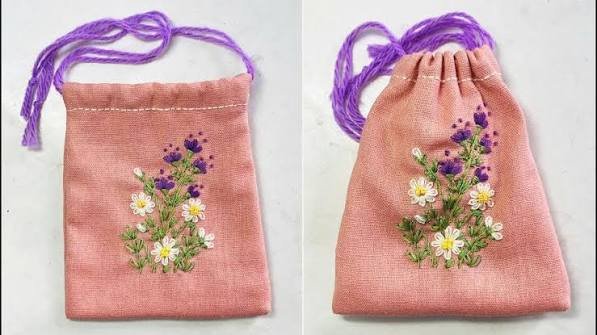
Shade Drying and Reshaping Techniques
Proper drying is critical for preserving fabric bag integrity.
- Reshape While Damp: After blotting away excess moisture, manipulate the bag back into its original shape with your hands.
- Stuff to Retain Form: Fill the bag interior with clean white tissue paper, unprinted butcher paper, or a clean white towel. Avoid using newspapers, as wet ink transfers onto fabric linings.
- Dry in the Shade: Hang or lay the bag flat in a well-ventilated, shady room or covered balcony. Never place printed or embroidered bags in direct sunlight, as UV rays fade block-print pigments and dry out embroidery threads.
- Avoid Tumble Dryers: High heat shrinks natural cotton fabrics and melts adhesive backings inside structured panels.
Monsoon Storage and Humidity Care
India’s humid monsoon seasons can lead to fungal growth, musty odours, and dye oxidation if fabric bags are stored damp.
- Use Silica Gel Packs: Place two or three silica gel sachets inside interior pockets during storage to absorb excess ambient moisture.
- Store in Breathable Covers: Store artisan bags in breathable cotton dust bags. Avoid plastic bags or sealed polythene wrappers, which trap moisture and encourage mould growth.
- Air Out Regularly: Take stored fabric handbags out every couple of months to air them out in a dry room for a few hours.
When Professional Cleaning Is Necessary
While routine maintenance can be managed safely at home, professional dry cleaning is recommended under these circumstances:
- The bag is crafted from raw silk, velvet, or vintage bridal textiles.
- The embroidery features heavy zari or antique brass metalwork.
- Stains cover extensive areas across block-printed canvas panels.
- The bag contains genuine un-treated leather trims or suede paneling.
Frequently Asked Questions (FAQs)
How often should I clean my embroidered tote bag?
Perform routine maintenance—such as emptying dust, shaking out debris, and gently brushing the exterior—once every few weeks. Deep spot-cleaning should only be done as needed when visible stains or dirt accumulate.
Can I iron an embroidered or block-printed bag?
Yes, but never place an iron directly on embroidery or block prints. Turn the bag inside out or cover the embellished surface with a thin cotton press cloth. Use a low to medium heat setting without steam to iron out creases smoothly.
How do I eliminate musty smells from a fabric handbag?
Place an open box of baking soda inside the bag (ensuring it doesn’t tip over) and seal the bag inside a cotton dust cover for 24 to 48 hours. Baking soda absorbs lingering odours without damaging sensitive dyes or embroidery threads.
See Also
- BEST Tips for Washing Embroidered Items
- How to Wash Hand Embroidered Canvas & Accessories
- Monsoon Handbag Care India: The Ultimate Guide to Saving Your Bags from Rain, Fungus, and Humidity
- How to Identify an Authentic Handmade Bag: 12 Signs to Check
- Ajrakh Bags: Styling, Craft Process and Buying Guide